

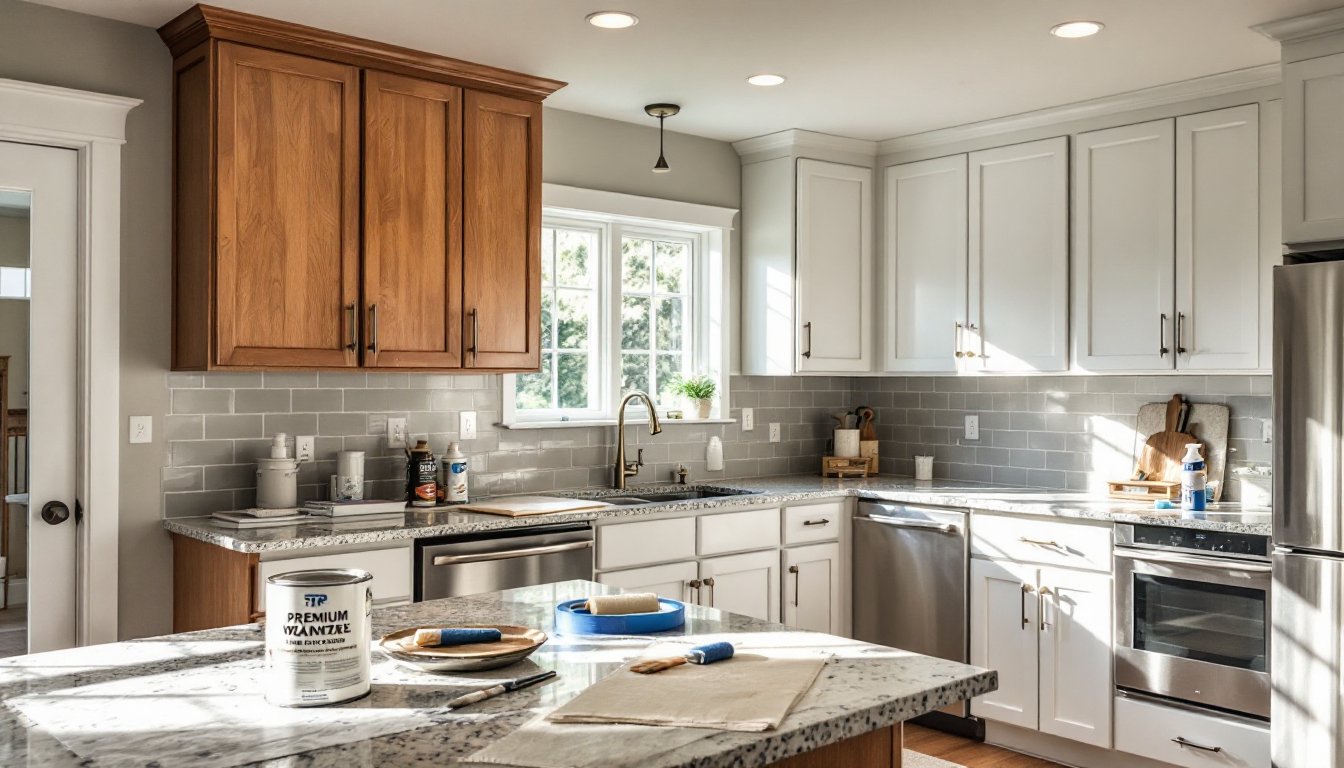

Refreshing kitchen cabinets with paint can transform the space without the $20,000+ price tag of a full replacement. Whether hiring a pro or tackling it yourself, understanding the costs upfront helps avoid budget surprises midway through the project. Cabinet painting isn’t just about buying a gallon of paint, it involves prep materials, primer, topcoats, hardware, and labor. Prices vary widely based on kitchen size, cabinet condition, paint quality, and who’s wielding the brush. This guide breaks down real-world costs for 2026, compares DIY versus professional routes, and shows where homeowners can trim expenses without sacrificing durability.
Key Takeaways
- Professional painting kitchen cabinets typically costs between $1,200 and $7,000, with a national average of $3,500 in 2026, making it a cost-effective alternative to the $20,000+ price of full cabinet replacement.
- DIY cabinet painting requires only $200 to $600 in materials but demands 20–40 hours of labor spread over several days, with labor accounting for 60–75% of professional painting costs.
- Cabinet size, door style (flat-panel versus raised-panel), paint quality, and regional location significantly impact painting costs, with metropolitan areas running 20–40% higher than rural regions.
- Investing in quality cabinet-specific enamel ($50–$80 per gallon) and stain-blocking primer proves more economical long-term than budget alternatives, avoiding the need for repainting within a few years.
- You can reduce painting costs by 30–40% by painting only cabinet doors and drawer fronts instead of the entire cabinet boxes, or save $300–$600 by handling prep work yourself.
Average Cost to Paint Kitchen Cabinets
Most homeowners spend between $1,200 and $7,000 to paint kitchen cabinets professionally in 2026, with the national average landing around $3,500. That range reflects variables like cabinet count, door style (flat-panel versus raised-panel), and regional labor rates.
For a standard 10×12 kitchen with 20 linear feet of cabinetry, expect to pay roughly $2,000 to $4,500 for professional work. Larger kitchens with 30+ linear feet or intricate details like mullion doors and crown molding can push costs toward $6,000 to $8,000. Small galley kitchens with minimal upper cabinets might come in under $1,500.
National pricing data shows labor accounts for 60–75% of the total bill, with materials making up the remainder. Geographic location matters: metropolitan areas and coastal markets run 20–40% higher than rural or midwestern regions. Material quality also shifts the bottom line, budget-grade paint and primer cost less upfront but may require repainting sooner than premium cabinet enamel.
Professional vs. DIY: Cost Comparison
Professional painting costs break down to about $80 to $150 per linear foot or $40 to $100 per cabinet door. A crew typically completes the job in 3–5 days, depending on kitchen size and drying time between coats. Pros handle prep work (cleaning, sanding, filling holes), use spray equipment for a factory-smooth finish, and warranty their work, usually 1–2 years.
DIY painting slashes labor costs but demands time and patience. Materials alone run $200 to $600 for a standard kitchen: $75–$150 for paint and primer, $50–$100 for sandpaper, tack cloths, and TSP cleaner, $30–$80 for brushes or foam rollers, and $20–$50 for painter’s tape and drop cloths. Add another $100–$300 if investing in tools like a paint sprayer or orbital sander.
Timewise, plan for 20–40 hours spread over several days (or weekends) to account for drying. Removing doors, prepping surfaces, priming, applying two topcoats, and reinstalling hardware isn’t a one-afternoon sprint. Mistakes, drips, uneven coverage, or skipped sanding, can cost more to fix than hiring out. DIY works best for homeowners comfortable with detail work and willing to live without a functioning kitchen for a week or longer.
What Factors Affect the Cost?
Several variables push cabinet painting costs up or down. Knowing which ones apply to your kitchen helps set a realistic budget.
Cabinet Size and Layout
More cabinets mean more surface area to prep, prime, and paint. A U-shaped kitchen with floor-to-ceiling uppers and a full pantry costs significantly more than a basic L-shaped layout with open shelving. Linear footage is the standard pricing metric pros use, measure the base and upper cabinets along the wall, not just the floor plan.
Door and drawer fronts drive labor time. Flat-panel (slab) doors go faster than raised-panel or beadboard styles, which require brushing paint into grooves and details. Glass-front cabinets need masking: mullion bars demand a steady hand. If the kitchen has an island with decorative corbels or furniture-style feet, expect an upcharge.
Paint Type and Quality
Not all paints hold up to the grease, moisture, and daily wear cabinets endure. Cabinet-specific enamel (alkyd or acrylic-alkyd hybrid) costs $50–$80 per gallon but offers superior hardness and scrubbability compared to standard wall paint. Budget latex paint might run $30–$40 per gallon but chips more easily and yellows over time, especially on white cabinets.
Primer quality matters just as much. Stain-blocking primers like BIN shellac-based or oil-based kilz prevent tannin bleed-through on oak or cherry but cost $40–$60 per gallon. Skipping primer or using a cheap version leads to adhesion failures and color inconsistencies. One gallon of paint typically covers 350–400 square feet, but cabinets require more per square foot than walls due to edges, profiles, and multiple coats.
Breaking Down DIY Cabinet Painting Costs
Here’s a realistic materials breakdown for a 10×12 kitchen with 20 cabinet doors and 6 drawer fronts:
Paint and Primer:
• 1 gallon stain-blocking primer: $45–$60
• 2 quarts cabinet enamel (two coats): $70–$100
• Total: $115–$160
Prep and Application Supplies:
• TSP cleaner or degreaser: $8–$12
• 120-grit and 220-grit sandpaper (or sanding sponges): $15–$25
• Tack cloths (pack of 12): $6–$10
• Painter’s tape (2 rolls): $12–$18
• Drop cloths or plastic sheeting: $10–$20
• Foam rollers and quality brushes: $20–$40
• Paint trays and liners: $8–$15
• Total: $79–$140
Optional Tools (if not owned):
• Orbital sander: $40–$80
• HVLP paint sprayer: $120–$300
• Sawhorses or drying rack: $30–$60
• Total: $190–$440
Hardware:
• New knobs or pulls (if replacing): $2–$10 each × 26 = $52–$260
Grand total (materials only): $246–$700 depending on tool purchases and hardware upgrades. Renting a paint sprayer ($50–$75/day) splits the difference between buying and hand-brushing. Homeowners on a tight budget can stick with foam rollers and angled brushes for a serviceable finish, though sprayers deliver the smoothest results with less visible brushstroke texture.
How to Save Money on Your Cabinet Painting Project
Do the prep yourself. Even when hiring pros, handling the cleaning, sanding, and hardware removal can shave $300–$600 off the bill. Most painters charge separately for prep or include it in their per-door rate, doing it yourself cuts that portion out.
Keep existing hardware or shop sales. New pulls and knobs add up fast. If current hardware is solid brass or another quality material, clean it with vinegar or brass polish and reinstall. Big-box stores and online retailers often discount hardware during seasonal sales.
Paint doors only, leave boxes. Cabinet interiors and the frame boxes (face frames) see less wear. Painting just the doors and drawer fronts drops material and labor costs by 30–40% while still delivering a dramatic visual change. The insides can stay natural wood or receive a quick wipe-down.
Use a paint-and-primer-in-one cautiously. These combo products work on previously painted cabinets in good shape but don’t replace a dedicated stain-blocking primer on raw wood or dark stains. Read the technical data sheet, many “all-in-one” paints still recommend a separate primer for adhesion.
Time the project for off-season. Painters stay busier in spring and early summer. Booking in late fall or winter can net 10–15% discounts as crews look to fill schedules. Local contractor platforms often list seasonal promotions or first-time customer deals.
Skip unnecessary extras. Glaze, distressing, or two-tone color schemes look great but increase labor time and material costs. A clean, single-color finish in a neutral tone (white, gray, navy) holds resale value and keeps the budget in check.
Buy quality paint, not the cheapest. It sounds counterintuitive, but premium cabinet enamel covers better and lasts longer. Buying a $75 gallon that doesn’t need a third coat or a redo in two years beats buying two $40 gallons of subpar paint. Durability equals long-term savings.