

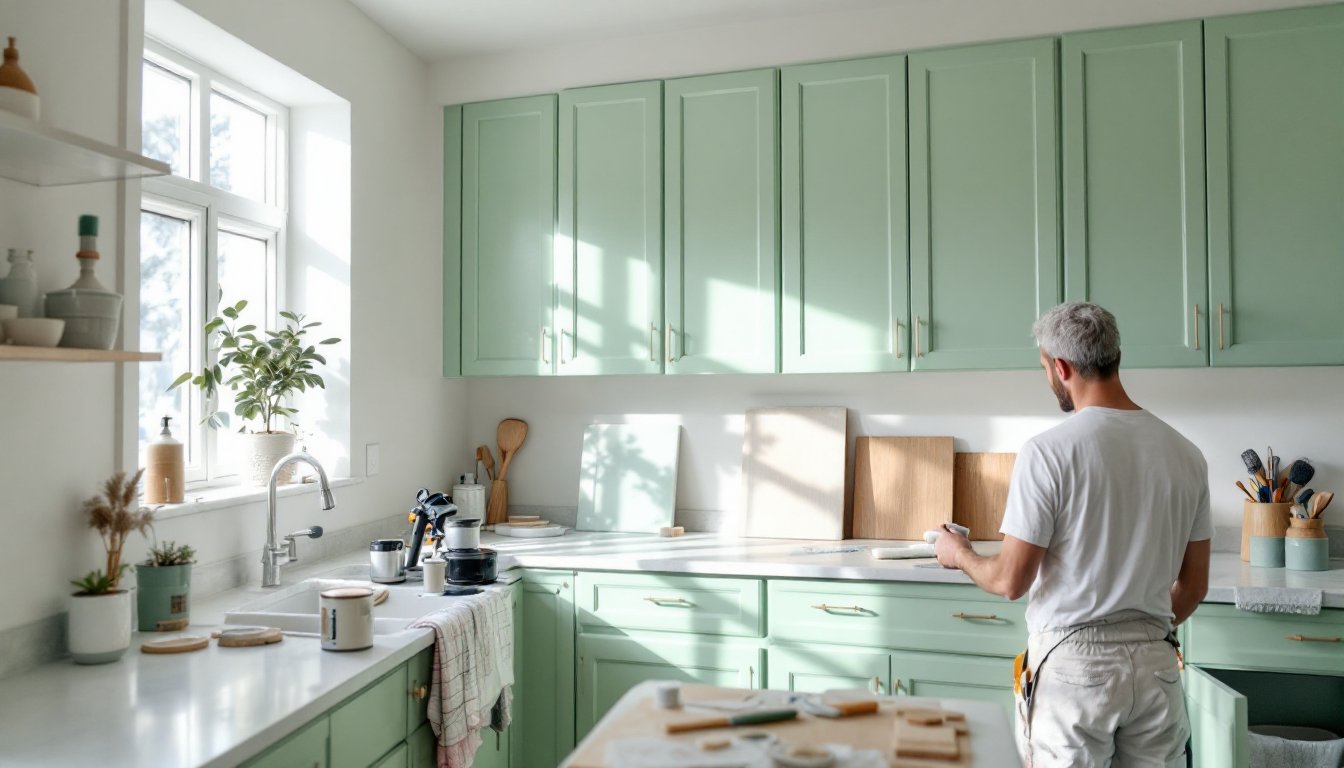

Searching for “kitchen cabinet painting near me” usually means one thing: you’re tired of looking at outdated cabinets but not ready to drop $15,000 on a full replacement. Smart move. Whether you’re hiring a local pro or rolling up your sleeves for a DIY weekend, painting kitchen cabinets delivers one of the highest returns on investment in home improvement, often recouping 80–100% of costs if you’re preparing to sell. This guide walks through finding reliable local painters, understanding what you’ll pay, and deciding whether to tackle it yourself or hand it off to someone with a spray rig and years of practice.
Key Takeaways
- Kitchen cabinets painting near me delivers one of the highest returns on home improvement investment, recouping 80–100% of costs at a fraction of full cabinet replacement prices.
- Professional cabinet painting typically costs $3,500–$5,500 for a standard 10×12 kitchen, while DIY materials run $200–$600—making it the ultimate budget-friendly renovation option.
- When finding local cabinet painters, prioritize businesses with 30+ reviews above 4.5 stars, verified insurance, and portfolio photos showing crisp edges, no drips, and consistent sheen.
- Get three quotes to benchmark pricing; if a bid is 30%+ below others, verify that proper primer, ventilation, and surface prep aren’t being skipped to avoid peeling within a year.
- Ask potential painters specific questions about primer type, application method (spray vs. brush-and-roll), grease removal process, and warranty coverage to separate experienced cabinet finishers from general painters.
- DIY cabinet painting requires 3–5 full days and works best if you’ve painted trim before, have a ventilated workspace, and can handle detail-oriented prep work like deglosser and sanding.
Why Painting Kitchen Cabinets Is the Ultimate Budget-Friendly Renovation
Cabinet painting sits in the sweet spot between cosmetic touch-ups and transformative remodels. For $3,000–$8,000 professionally done (or $200–$600 in materials for DIY), homeowners can shift a kitchen’s entire aesthetic without the dust, permits, or lead time of a gut job.
The math is simple. New cabinets run $4,000–$25,000+ depending on materials and kitchen size. Refacing, swapping doors and veneering boxes, lands around $7,000–$15,000. Painting existing cabinets in good structural shape costs a fraction of either option and takes days, not weeks.
Beyond cost, painted cabinets offer design flexibility. Trendy colors (navy, sage, charcoal) come and go: a well-prepped cabinet can be repainted again in five to seven years without stripping if the original coat was done right. That’s not true for stained wood or laminate replacements.
One caveat: this only works if cabinet boxes, hinges, and drawer slides are sound. Painting won’t fix sagging doors, broken frames, or particleboard that’s swollen from water damage. If hardware is failing or boxes are compromised, replacement or refacing makes more sense.
How to Find Reliable Cabinet Painting Professionals in Your Area
Start local. Google “cabinet painting” plus your city or zip code, then filter by businesses with 30+ reviews and ratings above 4.5 stars. Avoid one-off handyman listings without portfolio photos, cabinet work requires surface prep skills most general painters don’t practice regularly.
Check contractor matching platforms to compare multiple bids, but don’t stop there. Visit the painter’s own website or social media. Cabinets are detail work: if their online presence is sloppy, their masking and sanding probably are too.
Ask for local references you can drive by. A quality cabinet job should still look crisp after two years of daily use. If a painter hesitates to share addresses of past projects in your area, that’s a red flag.
Verify licensing and insurance. Most jurisdictions don’t require a specialty license for painting (it’s non-structural), but general liability insurance is non-negotiable. If a worker is injured or your countertop gets damaged, you want coverage.
What to Look for in Local Reviews and Portfolios
Read between the stars. Look for mentions of prep thoroughness (cleaning, deglosser, primer), respect for the workspace (plastic sheeting, dust control), and how the painter handled color changes, especially dark to light or covering oak grain.
Photos matter more than star counts. Zoom in on cabinet edges, corners, and reveals around doors. You shouldn’t see drips, visible brush strokes on flat panels, or uneven sheen. Spray finishes look factory-smooth: brush-and-roller applications are acceptable if technique is tight.
Red flags include complaints about odor lingering for weeks (sign of poor ventilation or low-quality paint), paint chipping within months (inadequate prep or no primer), or projects that ran two weeks over schedule without explanation. Cabinet painting is disruptive, professionalism in timelines matters.
What to Expect: Average Costs for Professional Cabinet Painting Services
As of 2026, professional cabinet painting typically runs $80–$150 per door/drawer face, depending on region, finish complexity, and current cabinet condition. A standard 10×12 kitchen with 20 doors and 10 drawer faces averages $3,500–$5,500 for a quality job.
That price usually includes:
- Removal of doors, drawers, and hardware
- Cleaning and deglossing all surfaces
- Filling old hinge holes or dents with wood filler
- Two coats of bonding primer (essential for laminate or previously finished wood)
- Two finish coats of cabinet-grade paint or conversion varnish
- Light sanding between coats
- Reinstallation with adjustments
Add $500–$1,200 if you’re replacing hardware or hinges. Soft-close upgrades and new pulls dress up the final look and are often bundled into quotes.
Geography shifts pricing. Metro areas (San Francisco, NYC, Boston) run 20–40% higher than regional markets. Painters using HVLP spray equipment charge more than brush-and-roller crews, but the finish quality and speed justify the cost for most homeowners.
Get three quotes. If one bid is 30%+ below the others, ask what’s being skipped, probably primer, proper ventilation time, or surface prep. Cheap cabinet painting peels within a year. For cost benchmarking and project planning, compare quotes against regional averages to avoid overpaying or underbuying quality.
DIY vs. Hiring a Pro: Which Option Is Right for Your Kitchen?
DIY cabinet painting saves thousands but costs time and sweat equity. Realistically, plan for three to five full days for an average kitchen if you’re working solo: one day for removal and cleaning, one for priming, one for first finish coat, one for second coat, and one for reinstall and touch-ups.
You’ll need:
- Deglosser or TSP substitute for cleaning
- Bonding primer (e.g., INSL-X STIX, Zinsser B-I-N shellac-based)
- Cabinet-grade paint (Benjamin Moore Advance, Sherwin-Williams Emerald Urethane)
- Foam rollers (4-inch), angled brushes, paint trays
- Sandpaper (150-grit, 220-grit)
- Painter’s tape, drop cloths, sawhorses or a drying rack
- Optional: paint sprayer (adds $100–$300 rental or purchase, cuts application time in half)
Material cost: $200–$600 depending on kitchen size and whether you buy or rent a sprayer.
Hire a pro if:
- Your cabinets are laminate or thermofoil (tricky adhesion: pros know which primers work)
- You’re going from dark stain to white or light colors (requires multiple heavy primer coats and potential tannin-blocking)
- You lack a ventilated workspace (garages work: basements without airflow don’t)
- You’re short on time and need the kitchen functional within a week
- You want a sprayed finish but don’t own HVLP equipment or want to deal with overspray masking
DIY makes sense if you’ve painted trim before, have a tolerance for detail work, and can live without a functioning kitchen for several days. It’s not beginner-friendly, but it’s doable with patience. Most failures come from rushing dry times or skipping the deglosser step.
Questions to Ask Before Hiring a Local Cabinet Painter
Walk into estimates prepared. These questions separate experienced cabinet finishers from general painters trying to upsell:
-
What primer and topcoat do you use, and why? Look for specifics, brand, product line (urethane, acrylic-alkyd hybrid), and sheen (satin or semi-gloss for cabinets). Vague answers like “professional-grade paint” are a dodge.
-
Do you spray, brush, or roll? What’s your process for minimizing texture? Spraying is fastest and smoothest. Brush-and-roll works but requires skill to avoid stippling. Some painters spray doors off-site and roll frames in place.
-
How do you handle grease buildup and old finishes? The right answer involves deglossers (liquid sandpaper), TSP or substitute cleaners, and light sanding, not just “we wipe them down.”
-
Do you remove doors and drawers, or paint in place? Removal is standard for quality work. In-place painting is faster but leads to drips, uneven coverage on edges, and overspray risks.
-
What’s your timeline, and how long until we can use the kitchen? Expect 5–10 business days from start to full cure, depending on paint type. Water-based paints dry faster but need 2–3 days before heavy use. Oil-based or conversion varnish can take a week to fully harden.
-
Are you insured, and do you warranty your work? General liability covers accidents. A one-year warranty on finish quality (no peeling, chipping under normal use) shows confidence.
-
Can I see photos of a similar project, especially one with the same color change I want? Covering dark wood grain with white is harder than repainting already-light cabinets. Make sure they’ve done it before.
For design inspiration and to compare finishes before committing to a color, many homeowners browse kitchen galleries and professional portfolios to see how paint choices look in real spaces with similar lighting and layouts.
Conclusion
Painting kitchen cabinets, whether DIY or through a local pro, remains one of the most cost-effective ways to overhaul a kitchen’s look without the expense and disruption of a full remodel. Focus on finding painters with proven cabinet experience, verify their process and materials, and don’t shy from asking tough questions. If you’re going the DIY route, respect the prep work and dry times: shortcuts show up within months. Either way, a well-executed cabinet paint job can buy you five to ten years of a fresh kitchen before the next update.