

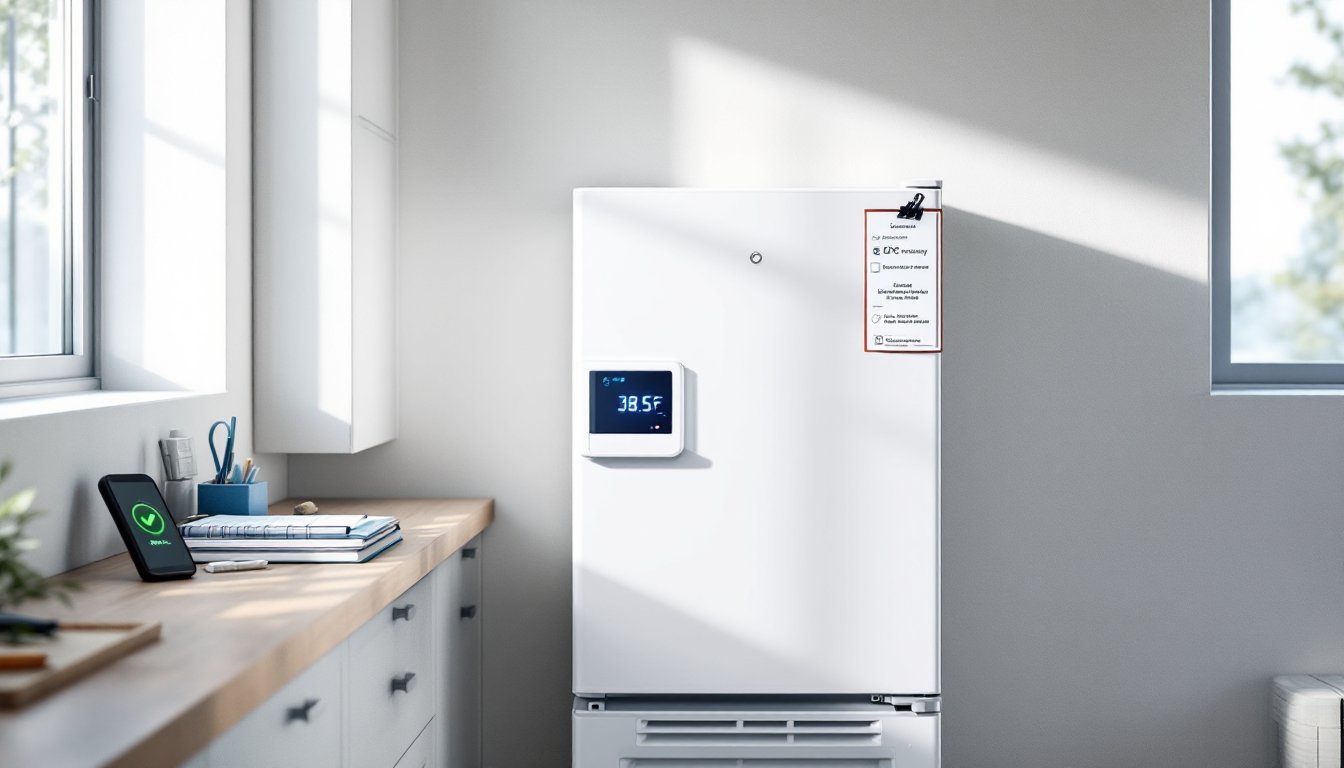

Storing vaccines at home isn’t just for healthcare facilities anymore. With the rise of telemedicine, at-home healthcare workers, and individuals managing chronic conditions requiring temperature-sensitive medications, a growing number of homeowners need reliable vaccine storage solutions. Standard household refrigerators don’t cut it, they fluctuate in temperature too much, risking medication efficacy. A dedicated vaccine storage refrigerator maintains the narrow temperature range required by most vaccines, typically between 36°F and 46°F (2°C to 8°C), with precise monitoring and alarm systems that alert users to dangerous temperature excursions before it’s too late.
Key Takeaways
- A vaccine storage refrigerator maintains precise temperatures between 36°F and 46°F, preventing the temperature fluctuations of standard household fridges that can degrade vaccine potency and cause over 30% of medication waste.
- Invest in dual-probe monitoring systems and data logging capabilities to track actual vaccine temperature and create compliance records that protect against liability and insurance claims.
- Install your vaccine storage refrigerator in climate-controlled interior spaces with ambient temperatures between 60°F and 75°F, and ensure dedicated 15-amp electrical circuits with at least 3 inches of clearance for proper airflow.
- Perform daily temperature checks and weekly alarm tests, monthly condenser coil cleaning, and quarterly backup power system drills to maintain reliable vaccine storage performance.
- Establish a contingency plan with identified hold-times, backup cooling locations, and emergency contacts before equipment failure or extended power outages compromise your stored medications.
What Is a Vaccine Storage Refrigerator and Why It Matters
A vaccine storage refrigerator is a purpose-built cooling unit designed to maintain consistent, monitored temperatures within the strict range required for vaccine and pharmaceutical storage. Unlike a kitchen fridge that cycles on and off throughout the day, causing temperature swings of 5°F to 10°F, these units use advanced compressor systems and insulation to hold steady temperatures, often within ±1°F of the setpoint.
The difference matters because vaccine potency degrades rapidly outside the recommended range. A 2023 CDC report found that improper storage temperature was responsible for over 30% of vaccine waste in small healthcare settings. For homeowners storing insulin, biologics, or vaccines for family members with compromised immune systems, a dedicated unit isn’t luxury, it’s liability prevention.
These refrigerators come in two main types: pharmaceutical-grade units (typically $800–$3,000) with digital controls, dual probes, and data logging capabilities, and modified consumer-grade units retrofitted with external monitoring systems (around $400–$900). The former meets stricter standards like NSF/ANSI 456, but the latter can work for low-volume home use if paired with quality monitoring equipment.
Anyone considering a vaccine storage refrigerator should first confirm their specific storage requirements with their healthcare provider or pharmacist. Some medications require even tighter tolerances or have unique light-sensitivity concerns that affect placement and unit selection.
Key Features to Look for in a Vaccine Storage Refrigerator
Not all vaccine storage units are created equal. The right features depend on what’s being stored, how often the door opens, and the consequences of a temperature failure.
Temperature Control and Monitoring Systems
The core of any vaccine refrigerator is its temperature control system. Look for units with digital thermostats that display current temperature continuously, analog dial controls are too imprecise. Pharmaceutical-grade models use microprocessor-based systems that sample temperature every few seconds and adjust compressor output accordingly.
Dual-probe systems are worth the investment. One probe measures air temperature inside the cabinet: the other sits in a glycol-filled bottle that mimics the thermal mass of stored vaccines. This buffered reading is more stable and gives a better picture of actual product temperature, not just air temp during a defrost cycle.
Data logging is increasingly standard. Units with built-in memory or Wi-Fi connectivity record temperature readings at set intervals (typically every 10 minutes) and can generate reports for healthcare compliance. For home users, this creates a verifiable record if questions arise about storage conditions. Some systems integrate with smartphone apps for remote monitoring, helpful when storing critical medications and you’re away from home.
Avoid units with “frost-free” defrost cycles found in standard refrigerators. These cycles intentionally warm the interior to melt ice, causing temperature spikes that compromise vaccine stability. Homeowners considering appliance reviews for safe medication storage should pay close attention to defrost mechanisms before purchase.
Alarm Systems and Backup Power Options
Alarm systems are non-negotiable. At minimum, a vaccine refrigerator should have:
- High/low temperature alarms that trigger both audible and visual alerts when temperature drifts outside the safe range
- Door ajar alarms to catch accidental openings
- Power failure alerts that notify users immediately if electricity is interrupted
Pharmaceutical-grade units often include remote alarm notification via text or email, a worthwhile feature if the unit sits in a basement or garage where audible alarms might go unheard.
Backup power options range from simple to sophisticated. A basic uninterruptible power supply (UPS) rated for the refrigerator’s wattage (typically 100–200 watts) can bridge short outages of 1–3 hours. For extended protection, consider a generator interlock or transfer switch installation if the home doesn’t already have whole-house backup. Some users in off-grid or rural settings opt for units that can run on propane or have low-power DC options compatible with solar battery systems.
Battery-backed temperature monitors, separate from the refrigerator itself, are a smart redundancy. Even if the unit loses power and its alarm fails, a standalone data logger with cellular connectivity continues tracking temperature and sends alerts. These cost around $150–$300 but provide peace of mind for high-value medications.
Best Locations for Installing Your Vaccine Storage Unit
Placement directly affects performance and accessibility. A vaccine refrigerator tucked in a hot garage or next to a furnace will struggle to maintain temperature, while one in a damp basement may develop condensation issues.
Climate-controlled interior spaces are ideal. A utility room, mudroom, or dedicated storage area off the kitchen works well. The space should maintain ambient temperatures between 60°F and 75°F, outside this range, compressors work harder and temperature stability suffers.
Avoid direct sunlight, heat sources (water heaters, HVAC equipment), and poorly insulated spaces. Garages in regions with hot summers or freezing winters are risky unless climate-controlled. One workaround: build an insulated enclosure around the unit with proper ventilation, essentially creating a conditioned micro-environment.
Electrical considerations matter. Vaccine refrigerators need dedicated 15-amp circuits, not shared with garage door openers, power tools, or other high-draw appliances. Many homeowners favor kitchen appliance placement principles when situating medical refrigerators, ensuring easy access and stable power.
Leave at least 3 inches of clearance on all sides for airflow. Condenser coils (usually on the back or bottom) need ventilation to dissipate heat. Tight spaces cause overheating, compressor strain, and shortened lifespan.
Accessibility is practical, not just medical. If a home health nurse visits regularly, the unit should be reachable without navigating stairs or tight hallways. For families managing multiple medications, placing the refrigerator near a prep counter with good lighting makes daily dose management safer and less error-prone.
Consider security if children or non-authorized individuals are in the home. Some units include locking doors or accept aftermarket locks. In multi-family or shared living situations, this prevents accidental tampering or unauthorized access to controlled medications.
Maintenance and Temperature Monitoring Best Practices
A vaccine refrigerator is only as reliable as its maintenance routine. Neglect the basics, and even a pharmaceutical-grade unit will fail.
Daily tasks are minimal but critical:
- Check and log temperature twice daily, morning and evening. Use the buffered probe reading if available. Record in a written logbook or digital system. This creates a pattern that helps catch drift before alarms trigger.
- Inspect door seals for gaps, cracks, or buildup. A poor seal lets warm air infiltrate, causing temperature swings and condensation.
- Verify alarm function weekly by pressing the test button. A silent alarm is worse than no alarm, you assume protection that doesn’t exist.
Monthly maintenance includes:
- Cleaning condenser coils with a coil brush or vacuum attachment. Dust accumulation reduces heat transfer efficiency. For units with rear coils, pull the fridge out gently and vacuum thoroughly.
- Defrosting manual-defrost units if frost buildup exceeds ¼ inch. Transfer contents to a cooler with ice packs, unplug the unit, and let ice melt naturally. Never use heat guns or sharp tools that can damage coils or liners.
- Calibrating thermometers against a NIST-traceable reference thermometer (available for $30–$60). Place both in the fridge for 30 minutes and compare readings. If the built-in display is off by more than 1°F, note the offset in your log or recalibrate per manufacturer instructions.
Quarterly or annual tasks:
- Replace water bottles used for thermal ballast. Over time, glycol solutions can separate or bottles develop leaks. Fresh bottles maintain stable thermal mass.
- Inspect and test backup power systems. Run a drill: unplug the fridge and confirm alarms work and UPS or generator kicks in.
- Review data logs for temperature trends. Frequent cycling, slow recovery after door openings, or gradual baseline drift all signal compressor wear or refrigerant loss. Address these before catastrophic failure.
Many experts recommend strategies similar to home organization systems, build a binder or digital folder with the user manual, maintenance logs, alarm test records, and emergency contact numbers for the prescribing physician and equipment service provider. If a failure occurs, having this documentation speeds response and may be required for insurance claims on lost medications.
Stock management also falls under maintenance. Rotate inventory so older medications are used first. Store items in clear bins or baskets labeled by medication name and expiration date. Don’t overcrowd, air must circulate. Keep a thermometer probe near the door (warmest spot) and back wall (coldest spot) to map the internal temperature gradient. Place the most temperature-sensitive items in the most stable zone, typically mid-shelf toward the back.
Finally, establish a contingency plan for extended power outages or equipment failure. Know the hold-time of your unit (how long it stays within range with the door closed and power off, usually 4–8 hours). Have a cooler, ice packs, and a backup location (friend’s fridge, nearby pharmacy) identified in advance. Some insurance policies or manufacturers offer emergency replacement units within 24 hours: know your coverage before a crisis.
Conclusion
Investing in a vaccine storage refrigerator is a commitment to safety, efficacy, and peace of mind for anyone managing temperature-sensitive medications at home. Choosing the right unit, placing it in a suitable environment, and maintaining rigorous monitoring routines aren’t optional, they’re the baseline for protecting both health and financial investment. For those seeking further guidance on home remodel projects that incorporate medical storage needs, consult a licensed contractor about electrical upgrades or dedicated utility spaces that support these specialized appliances.