

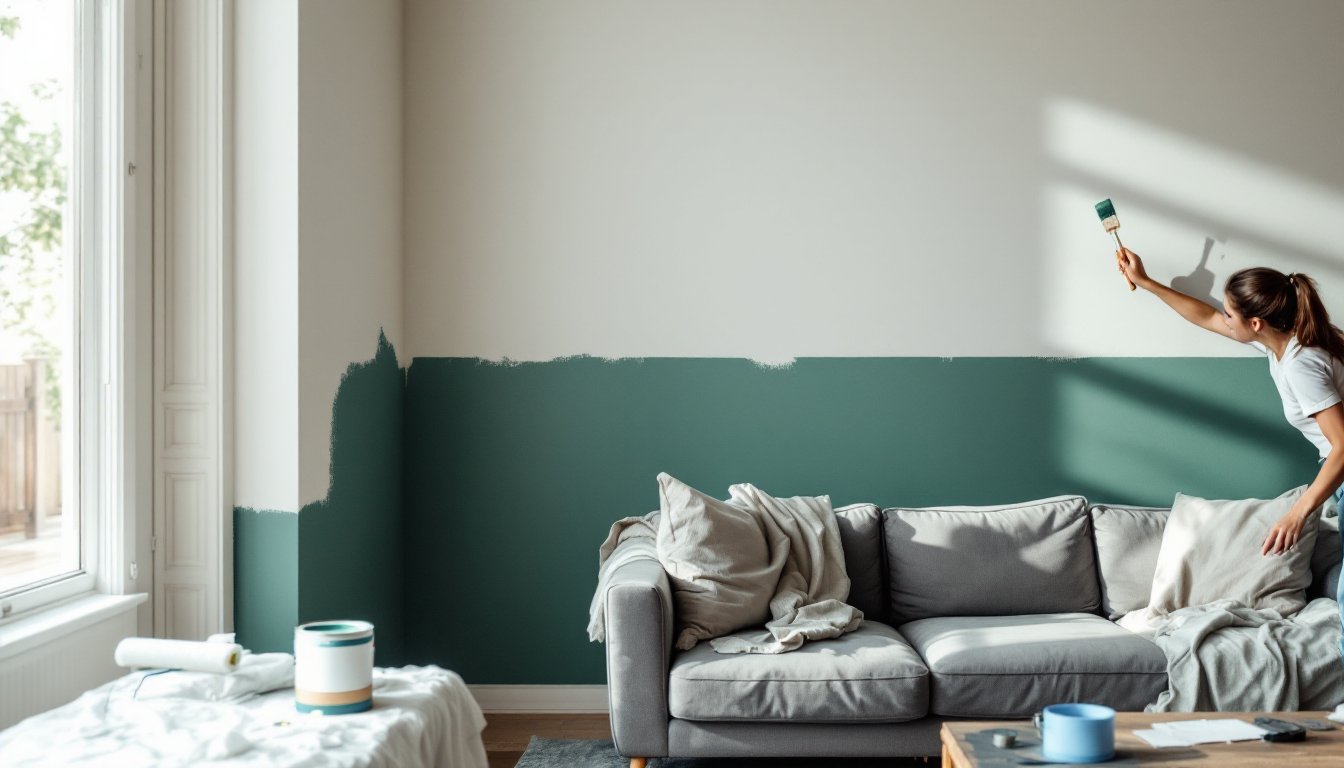

Wall painting remains one of the fastest, most cost-effective ways to completely refresh a room. Unlike flooring or cabinetry, paint delivers dramatic visual impact for minimal investment, typically $30-60 per gallon covering roughly 350-400 square feet. Whether tackling a single accent wall or reimagining an entire living space, the right techniques and color choices can make the difference between a flat, forgettable finish and a genuinely polished result. This guide walks through current wall painting trends, material selection, and the exact steps needed to achieve professional-looking decor without hiring a contractor.
Key Takeaways
- Wall painting decor is the fastest and most cost-effective home improvement solution, covering 350-400 square feet per gallon at $30-60, delivering dramatic visual impact without professional help.
- Modern wall painting techniques like accent walls, color blocking, and ombre effects are increasingly popular and accessible to DIY homeowners with intermediate skills and the right tools.
- Test paint colors on 2×2-foot wall samples at different times of day before committing, since natural light exposure dramatically affects how colors appear in north-facing versus south-facing rooms.
- Proper surface preparation—including spackling, sanding, and degreasing—is essential for professional-quality results, and using low-bleed painter’s tape with a 45-degree removal angle prevents paint peeling and ensures crisp edges.
- The 60-30-10 color rule (60% dominant, 30% secondary, 10% accent) prevents visual chaos and simplifies coordinating wall painting decor with existing furniture and home aesthetic.
- Wait 2-4 hours between coats and remove tape within 1 hour of final coat application to avoid adhesion issues, with full cure time reaching 7 days for latex paint before reinstalling hardware.
Why Wall Painting Is the Ultimate DIY Decor Solution
Paint stands out among home improvement projects for its low barrier to entry. Most homeowners already own a roller and brush, and if not, a starter kit runs under $25. No specialized licenses or permits are required for interior cosmetic painting, making it one of the few projects renters can often tackle with landlord approval.
The skill curve is forgiving. Unlike tile work or electrical, minor imperfections in paint application, slight roller marks, uneven edges near trim, can often be corrected with a second coat or touch-up work. That margin for error makes it ideal for first-time DIYers.
Speed matters too. A standard 12×12 bedroom can be prepped, primed, and painted in a single weekend. Compare that to installing wainscoting or hanging wallpaper, both of which demand precision measuring, cutting, and adhesive work that stretches across multiple days.
Finally, paint is reversible. Don’t like the color? Wait 30 days for full cure, then repaint. That flexibility encourages experimentation with bolder palettes or decorative techniques that homeowners might otherwise avoid.
Trending Wall Painting Techniques for Modern Homes
Accent Walls and Color Blocking
Accent walls continue to dominate interior design, but the approach has evolved. Instead of painting one full wall in a bold hue, many homeowners now use color blocking, geometric sections of contrasting colors separated by painter’s tape and crisp lines. Think a two-tone split at chair rail height (typically 32-36 inches from the floor) or vertical panels that draw the eye upward in rooms with standard 8-foot ceilings.
To execute clean color blocks, invest in FrogTape or a comparable low-bleed painter’s tape rated for delicate surfaces. Apply the base color first, let it cure for 24 hours, then tape off sections and apply the contrast color. Remove tape at a 45-degree angle while the top coat is still slightly tacky (usually 30-60 minutes after application) to avoid peeling dried paint.
Many DIYers reference room transformation tutorials for inspiration on balancing bold accent colors with neutral bases, especially when working with small spaces where too much contrast can feel chaotic.
Ombre and Gradient Effects
Ombre walls, gradual color transitions from dark to light, require more patience than standard rolling but remain accessible to intermediate DIYers. The technique involves blending multiple shades of the same color family while the paint is still wet, using a clean, damp roller or blending brush to soften the transitions.
Start with the darkest shade at the bottom third of the wall, the mid-tone in the center, and the lightest at the top. Work in 4-foot horizontal sections to maintain a wet edge for blending. A paint extender (also called conditioner) added to each shade at a 10:1 ratio slows dry time, giving more working time to smooth gradients.
This technique works best on smooth drywall. Textured surfaces (orange peel, knockdown) make seamless blending nearly impossible. If walls have texture, consider skim coating with joint compound first, a separate project that adds time but delivers a gallery-quality substrate.
Choosing the Right Paint Colors for Your Space
Natural light exposure dictates how color reads in a room. North-facing rooms receive cool, indirect light that can make warm colors (reds, oranges, yellows) appear muted. South-facing spaces get intense, warm light that intensifies cool tones (blues, greens, grays). Test paint samples on multiple walls and observe them at different times of day before committing to gallons.
Purchase 8-ounce sample jars and paint 2×2-foot squares directly on the wall rather than relying on tiny paper swatches. Paper doesn’t account for sheen, texture, or how color interacts with adjacent finishes like trim or flooring.
Sheen selection affects both appearance and durability. Flat or matte finishes hide surface imperfections but show scuffs and are harder to clean, fine for low-traffic areas like formal dining rooms. Eggshell offers slight luster with better washability, suitable for living rooms and bedrooms. Satin holds up to scrubbing, making it ideal for kids’ rooms, hallways, and kitchens. Semi-gloss and gloss are typically reserved for trim, doors, and cabinetry due to their high reflectivity, which highlights every wall flaw.
Consider the 60-30-10 rule borrowed from interior design: 60% dominant color (walls), 30% secondary color (upholstery, rugs), and 10% accent color (pillows, art). This proportion prevents visual chaos and makes paint color selection easier when coordinating with existing furniture.
Homeowners exploring furniture makeover ideas often select wall colors that complement painted or refinished pieces, creating a cohesive aesthetic without starting from scratch.
Essential Tools and Materials for Wall Painting Projects
Materials List:
- Primer: Stain-blocking (oil-based or shellac-based) for covering dark colors, water damage, or bare drywall: PVA primer for new drywall
- Paint: Interior latex in desired finish: calculate 1 gallon per 350-400 sq ft, accounting for two coats
- Painter’s tape: 1.5-inch or 2-inch low-bleed type
- Drop cloths: Canvas (reusable, non-slip) preferred over plastic
- Spackling paste and sandpaper (120-grit and 220-grit) for wall prep
Tool List:
- Roller frame (9-inch standard) with extension pole (4-8 feet)
- Roller covers: 3/8-inch nap for smooth walls, 1/2-inch for light texture, 3/4-inch for heavy texture
- Angled sash brush (2-2.5 inches) for cutting in around trim and corners
- Paint tray with liner (simplifies cleanup)
- Stir stick or paddle mixer attachment for drill (for 5-gallon buckets)
- Putty knife or 5-in-1 tool for scraping and spreading spackle
Safety Gear:
- Dust mask (N95-rated) for sanding
- Nitrile gloves for primer and paint handling
- Safety glasses when working overhead or using power sanders
- Ventilation: Open windows and use a box fan: latex is low-VOC but adequate airflow prevents headaches
A paint edger tool can substitute for brush work if hand-eye coordination makes cutting in difficult, though most pros still prefer a quality angled brush for precision.
Step-by-Step Guide to Achieving Professional Results
1. Prep the Room
Remove outlet covers, light switch plates, and curtain hardware. Move furniture to the center and cover with drop cloths. Lay canvas drop cloths along baseboards, they absorb drips better than plastic and won’t shift underfoot.
2. Repair and Clean Walls
Fill nail holes and dents with spackling paste using a putty knife. Let dry (usually 1-2 hours), then sand smooth with 120-grit sandpaper. Wipe walls with a damp microfiber cloth to remove dust, grease, and cobwebs. Grease spots (common in kitchens) need a degreaser or TSP substitute: paint won’t adhere to oily surfaces.
3. Apply Painter’s Tape
Tape along baseboards, door frames, and crown molding. Press the edge firmly with a putty knife or credit card to seal and prevent bleed-through. Don’t tape windows, cutting in with a steady hand or using a paint shield yields cleaner results.
4. Prime (If Needed)
Primer is non-negotiable when covering dark or bold existing colors, patched drywall, or stains. Use a stain-blocking primer for water marks or smoke damage. Apply with a roller in a W-pattern, then fill in without lifting the roller. Let dry per manufacturer’s specs (typically 1-4 hours).
5. Cut In Edges
Using an angled brush, paint a 2-3 inch border around all edges, corners, and trim. Load the brush halfway up the bristles, tap off excess (don’t wipe on the can rim, that removes too much), and use steady, controlled strokes. This step requires patience: rushing leads to uneven lines.
For detailed guidance on achieving sharp paint lines and managing complex trim work, many DIYers consult painting tutorial resources that break down brush techniques room by room.
6. Roll the Walls
Pour paint into the tray, filling the reservoir halfway. Load the roller by rolling back and forth in the tray’s textured slope, don’t dip it directly in the deep end. Apply paint in a W or M pattern across a 3×3-foot section, then fill in with vertical strokes without lifting the roller. Maintain a wet edge by overlapping each section before the previous one dries.
7. Apply Second Coat
Wait 2-4 hours (check the paint can) before applying the second coat. Most colors need two coats for even coverage, especially lighter shades over darker bases. Reds and yellows often require a third coat.
8. Remove Tape and Cleanup
Pull painter’s tape within 1 hour of the final coat to avoid peeling dried paint. Peel at a 45-degree angle, pulling slowly. Wash brushes and rollers immediately in warm water (latex) or mineral spirits (oil-based). Reinstall hardware once paint is fully cured, typically 7 days for latex, even though being touch-dry in 1-2 hours.
Final Note: If working with textured techniques like ombre or stenciling, practice on a scrap piece of drywall or poster board first. The cost of a trial run is minimal compared to repainting an entire wall.